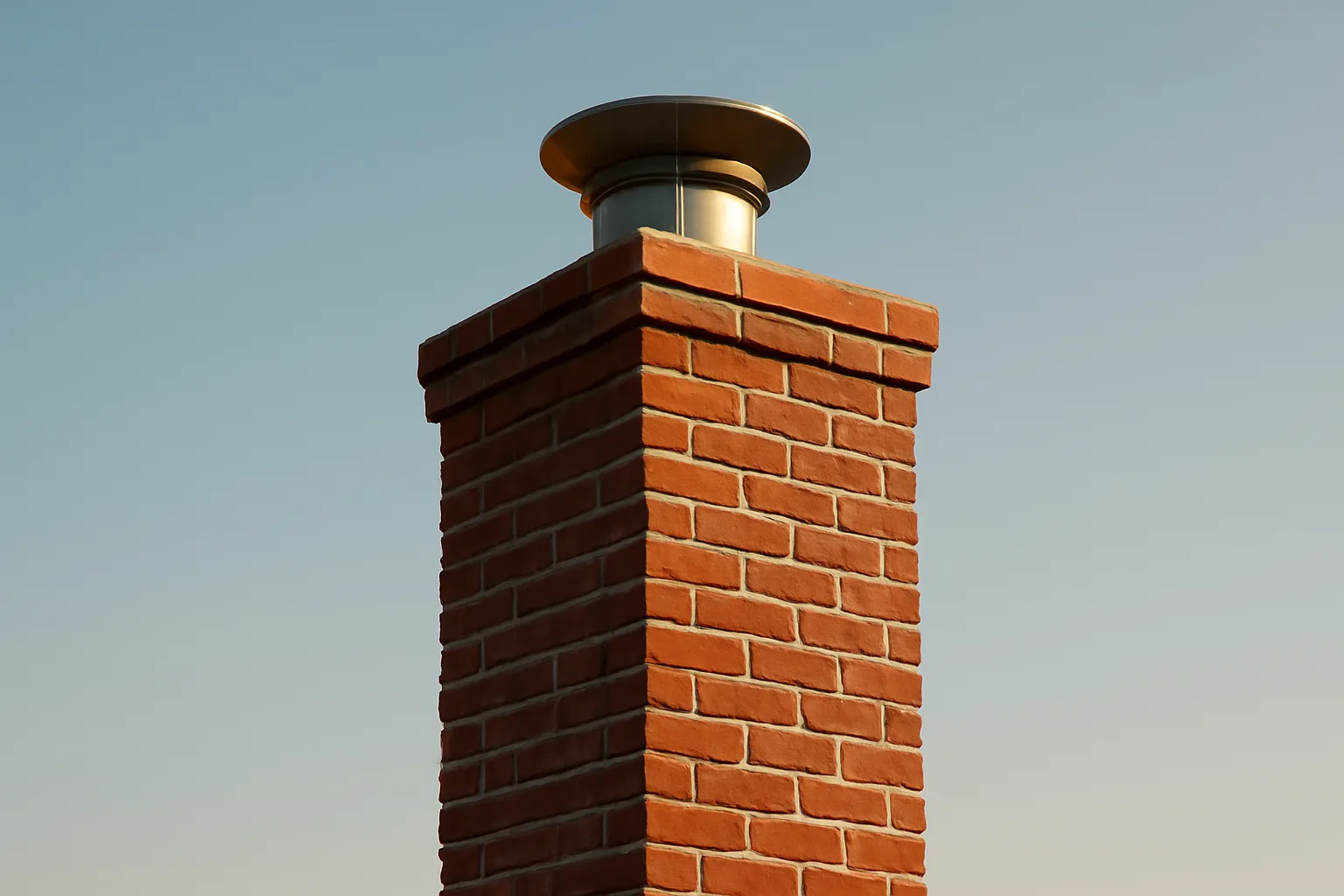
When the original clay tile liner in a Philadelphia chimney fails, gaps open between sections and the flue can no longer safely contain a fire or vent its gases. Our installation includes a final camera check, so you can see the new liner is seated continuously from the firebox to the cap. Across area, homeowners converting old fireplaces to gas inserts almost always need a new, smaller liner sized to the appliance. We size the liner to your appliance correctly the first time, because an oversized or undersized liner causes its own problems. Call 215-488-5617 to reline your Philadelphia chimney for a new gas or wood appliance.
- Camera-verified need
- UL-listed stainless liners
- Flexible and cast-in-place
- Insulated and code-compliant
- Appliance-sized for gas or wood
The Reason For Treating This Seriously No Shortcuts
Inside the masonry, the liner is the channel that carries heat and gases up and out. Stainless steel is the modern relining standard: a single continuous tube with no joints to open and no tiles to crack. The install ends with a camera check showing the liner seated continuously from the firebox to the cap. It is the difference an experienced crew actually makes.
Stand a column of brick outdoors in PA and the weather will eventually find every flaw. The mortar joints, the crown, and the flashing are where water first finds its way in. The deterioration is gradual, then sudden — fine for years, then a face of brick lets go in one season. Early repair is always cheaper than a rebuild, which is why we flag water intrusion the moment we see it.
The liner is the flue within the flue, the smooth inner channel that contains heat and routes gases out. Relining replaces cracked clay tile that can no longer contain a fire, with a continuous stainless liner. Relining is also what makes appliance conversions safe, since a gas insert or stove needs a correctly sized liner. It is the kind of detail that separates a real job from a rushed one.
What Goes Into Each Visit Done Right
A flue's safety comes down to its liner, the inner surface that contains the burn. Stainless steel is the modern relining standard: a single continuous tube with no joints to open and no tiles to crack. If your existing liner is sound, we will tell you, because relining is a real expense we only recommend when the flue requires it. We treat your chimney the way we would treat our own.
There is no mystery to how we work, and that is by design. You get a real person, a convenient slot, and a crew that does not have to come back for the part it forgot. We treat the house carefully, document the condition both ways, and walk you through it before we go. The routine is the same on every chimney, which is what makes it dependable.
The liner is what stands between the fire and the surrounding structure. Relining replaces cracked clay tile that can no longer contain a fire, with a continuous stainless liner. The quote covers a correctly sized, code-compliant liner, with no hidden add-ons once the work starts. It is the kind of detail that separates a real job from a rushed one.
The Flues Around Here No Shortcuts in Philadelphia
The older homes around Philadelphia are exactly the ones we work on most. These are working chimneys on lived-in homes, not showpieces, and they wear the way hard-used masonry does. Knowing the local stock means fewer surprises mid-job and a quote you can rely on. Knowing the neighborhood means we rarely hit a surprise mid-job.
The liner is the smooth inner passage that keeps a fire where it belongs. Insulation is the step cheap relines skip, but it holds flue-gas temperature so the liner drafts and lasts. The quote covers a correctly sized, code-compliant liner, with no hidden add-ons once the work starts. That is just how we run every Philadelphia service call.
Why Safety Drives This Service With Care
Safety is the thread running through all of it. The liner contains the heat and routes gases out; the cap keeps embers off the roof; the crown and flashing keep water from rotting the structure. We take these risks seriously because the homeowners we serve are the ones living with the results. That is the lens we bring to every Philadelphia home we work on.
A homeowner who cannot inspect their own flue is at the mercy of whoever does. The fastest way to lose a customer for good is to sell them work their chimney never needed. We show you the before-and-after pictures and explain the findings in plain language instead of trade jargon. If the flue is fine, "it is fine" is the entire recommendation, and we will not dress it up.
At the core of a safe flue is the liner that contains heat and resists corrosion. A flexible stainless liner threads the full height of the chimney as one piece, resisting corrosive condensation. If your existing liner is sound, we will tell you, because relining is a real expense we only recommend when the flue requires it. We would rather do it right than do it fast.
One job, every piece
A chimney is a system, so chimney liner installation rarely stands alone — it connects to fireplace cleaning, chimney safety inspection, flashing repair, chimney cap, chimney crown repair, and our crew handles all of it under one roof. We bring the same service to and everywhere else across the area.
If you searched for local chimney service, When you want it handled, a crew that respects your home answers, and we get to work. Call 215-488-5617 any time, read Your Philadelphia Reline Options, Side by Side on our blog, or head back to our Philadelphia home page.